

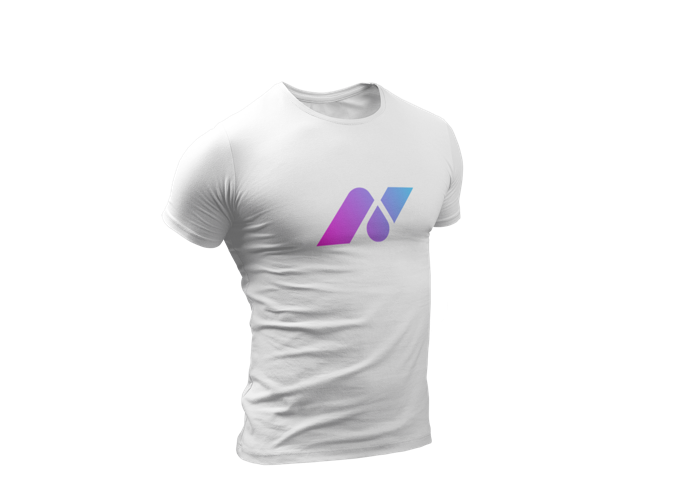
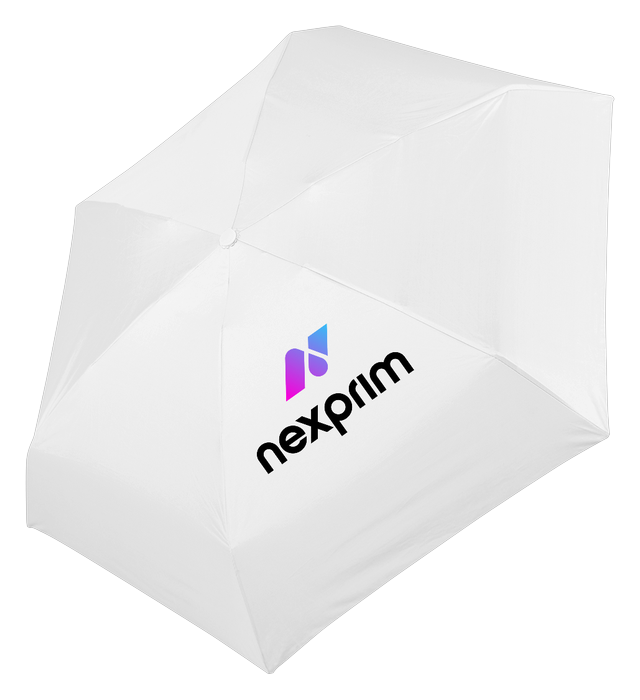
What is a 3D transfer?
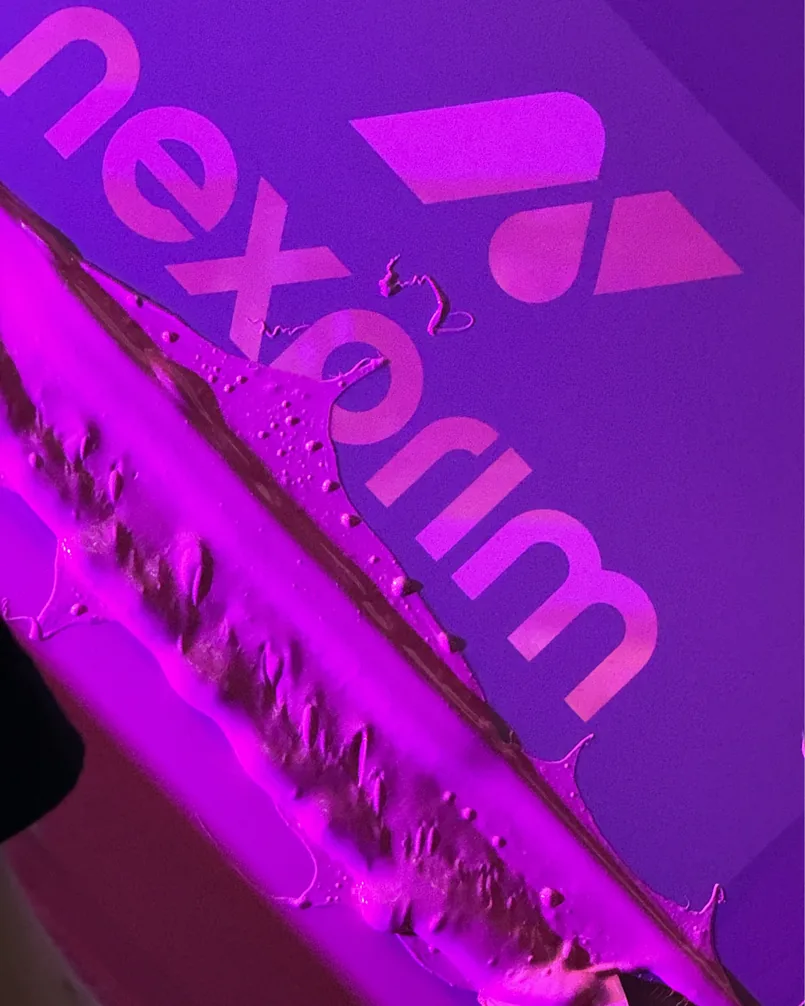
It's a screen printing transfer made with a special expanding ink. When you press it, the ink rises and rounds out — turning a flat print into a raised, tactile design with real depth.
Order the transfers on their own and press them onto your textiles whenever you're ready — the puff effect develops right there under the heat of your press.
See it and feel it
A smooth, rounded relief that adds a premium, tactile quality bold logos and lettering love.
How the effect works
-
1
Print with expanding ink
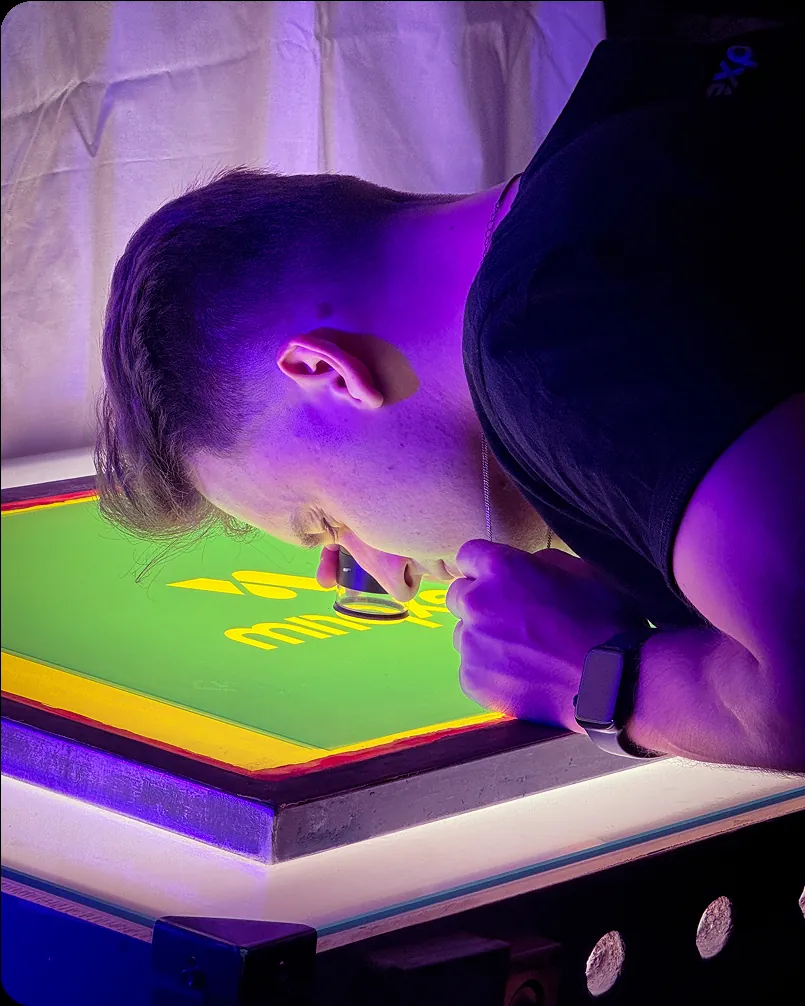
Your design is screen-printed onto carrier film using a special puff ink.
-
2
Heat makes it rise
Under the press, the ink expands and rounds out into a raised relief.
-
3
Sets as you peel
Peel the film and the dimensional, textured print stays locked on the fabric.
Why printers choose it
When a design needs to stand out — literally — the raised finish does the talking.
Real depth
A raised, rounded relief that reads as premium and catches the light.
Tactile finish
Smooth to the touch with no harsh edges — people want to feel it.
Built to last
Holds its shape and colour through wash after wash, like our other transfers.
Easy to apply
Press-ready film: the puff develops as you press — position, press and peel.
The honest picture
Where the 3D transfer shines — and the few trade-offs worth knowing before you order.
Advantages
- Standout, premium look
- The raised relief gives bold designs a high-end, three-dimensional presence.
- Tactile texture
- Soft, rounded and pleasant to touch — a finish people notice and remember.
- Durable & press-ready
- Long-lasting like our screen printing transfers, and applied with any heat press.
- Works on many textiles
- Great on tees, hoodies and caps — wherever a bold, raised mark belongs.
Good to know
- Best for bold artwork
- The puff suits chunky logos and lettering — very fine lines and small text lose detail as the ink rises.
- Spot colours, not photos
- It uses spot colours rather than full-colour photography. For photos, choose DTF or sublimation.
- Higher runs
- Like screen printing, it's at its best — and best value — on larger and repeat runs.
Looking for something else?
Flat, premium & exact Pantone? Try screen printing →
Full-colour or photo, just a few pieces? Try DTF →
Light polyester, print you can't feel? Try sublimation →
Where it looks best.
The puff effect was made for bold, simple marks. These are the jobs it nails.
Bold lettering
Caps & beanies
Chunky logos
Hoodies & streetwear
How to press it
We screen-print and finish each transfer; you press it on whenever you're ready — and the puff develops right under your press.
1. We print your transfer
Your design is screen-printed with expanding ink onto carrier film and shipped ready to press.
2. You press it on
Position and press onto your textile — the heat makes the ink rise and round out.
3. You peel the film
Peel away the carrier film, leaving your raised, dimensional print behind.
4. You lock it in
A short second press boosts wash fastness, so the raised print keeps its shape wash after wash with proper care.
How to order
From idea to doorstep in four easy steps.
-
1
Send your design
Upload artwork and tell us the sizes and quantity you need.
-
2
Get your quote
We price every order individually and send a clear quote fast.
-
3
Confirm & pay
Approve the quote and pay — production starts right away.
-
4
Shipped, ready to press
We produce your transfers and ship them to your door — press them whenever you're ready.
Specs at a glance
- Finish
- Raised, rounded puff relief — smooth to the touch
- Colours
- Spot colours; best for bold logos and lettering
- Materials
- Cotton, polyester & blends — tees, hoodies, caps
- Durability
- Holds shape and colour for many washes
- Application
- Press-ready — the puff develops as you press
- File format
- Vector / PDF preferred · max 20 MB
"Quality work at a good price, fast delivery, communication without problems. I recommend."
Radovan
"Seamless online ordering, smooth communication, fast delivery, great quality at a very good price. We definitely recommend!"
Krasimir
"Great communication, quality printing and fast processing, I am very satisfied and recommend :)"
Ivana
Frequently asked questions
The process is very similar to classic screen printing. It starts with creating a stencil using a UV-photosensitive emulsion, through which colour is applied onto a coated polyester sheet. Each colour is fixed in a drying tunnel. After the final colour, textile adhesive is applied and final fixation takes place. The transfer is then ready to apply to textiles.
We apply our transfers on industrial membrane presses, which ensure even pressing across the whole surface. After pressing, we peel off the transfer film and re-press the print to increase its durability and fastness.
Lifespan depends on the chosen transfer type. The most basic type lasts at least 30 washes at 40 °C, though slight cracks may appear. If you need highly durable heat transfers, contact us and we'll choose the right type for your needs.
It depends on the dryer. Cheaper dryers blow air that's too hot into the drum, causing irreversible damage to the print. More expensive dryers usually don't have this problem. In general we don't recommend tumble-drying printed textiles, as drying also damages the textile itself.
No, the iron would damage the print. We recommend ironing from the reverse side. If you need a directly-ironable print, we recommend direct water-based printing or sublimation.
Yes — many customers order transfers from us, which we ship to them, and press them themselves.
Yes. Customers with smaller runs and specific placement requirements can order a transfer and press it at our premises — so they don't have to invest in presses and accessories. For 12 € excl. VAT per hour you can use our presses, with full servicing included.
The final price depends on the textile type, print placement and whether it's a repeat order with pre-made transfers or a one-off. The rough pressing price range is from 0.17 € to 1.80 € excl. VAT per print.
We currently price every order individually. To find out the price, create an order online or contact us via the contact form.
A screen-printing heat transfer provides much higher quality. Its disadvantages are a higher price for small quantities and colour limitations (price rises with the number of colours). Its advantages are a higher ink deposit — so mechanical wear has less impact — and the option to produce a specific transfer type. A DTF transfer combines one colour and one adhesive, covering a wide range of textiles, but it's unusable on specific materials such as umbrellas.
Dye migration is when the garment's own dye seeps into the pressed print and tints it — typically a white print on a red jersey slowly turns pink. Polyester is coloured with disperse dyes that activate above roughly 130 °C, when the fibres release them to the surface. Transfers are pressed hotter than that, so on coloured polyester the effect can't be avoided — but it can be blocked with an antimigration (blocker) layer printed under your colours.
Risk by material:
- Softshell — the highest-risk fabric. Microfibres have a huge surface area and elastane fibres don't hold their dye even at normal press temperature. Speckled, mould-like stains appear in the print within days.
- Sports jerseys and performance tees — usually sublimation-dyed, with loose pigment sitting right on the fibre surface. Discolouration shows fastest — within hours to days, often straight after pressing.
- Reflective vests and jackets (hi-vis) — fluorescent dyes are particularly strong migrators; light print areas quickly tint yellow or orange.
- Regular dyed polyester (fleece, windbreakers, winter jackets, backpacks) — disperse pigments are larger and migrate more slowly; tinting shows over a few weeks.
- White polyester and cotton — safe. White textiles carry no dye to migrate, and cotton isn't dyed with disperse dyes at all.
The antimigration layer works like a sponge — it traps the released dye before it reaches your colours. We recommend it on any coloured polyester, including light shades. On white textiles and cotton it's unnecessary. If you're unsure about a material, send us a sample and we'll test it. See also which textiles suit DTF.
Yes — in screen printing, colours are most often defined as Pantone.
Yes. When producing transfers we can use special inks such as fluorescent or metallic. We can also produce a 3D transfer combining additional effects.